Are you new to watercolors or just wanting to “test the waters” with a new medium?
Don’t worry. In this post, we’ll take a look at 16 watercolor techniques to get you started right now. 😉
1. Flat Wash
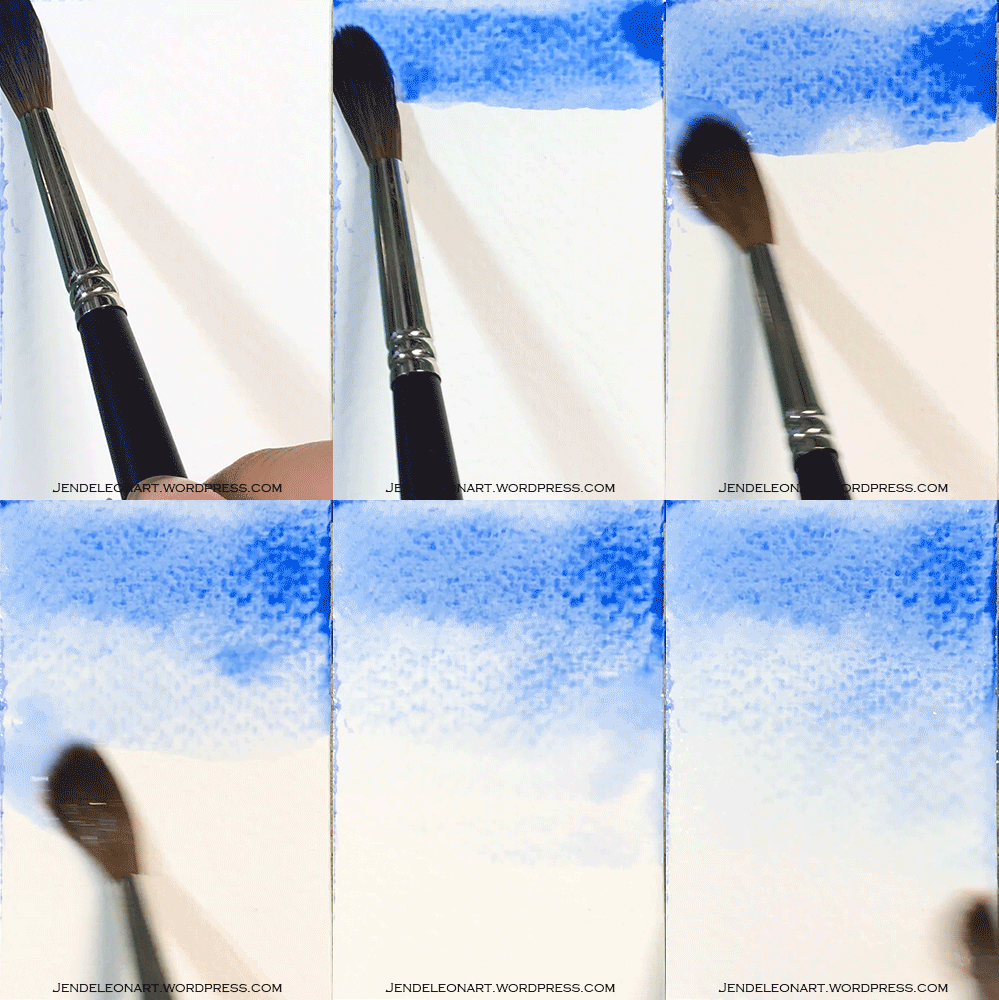
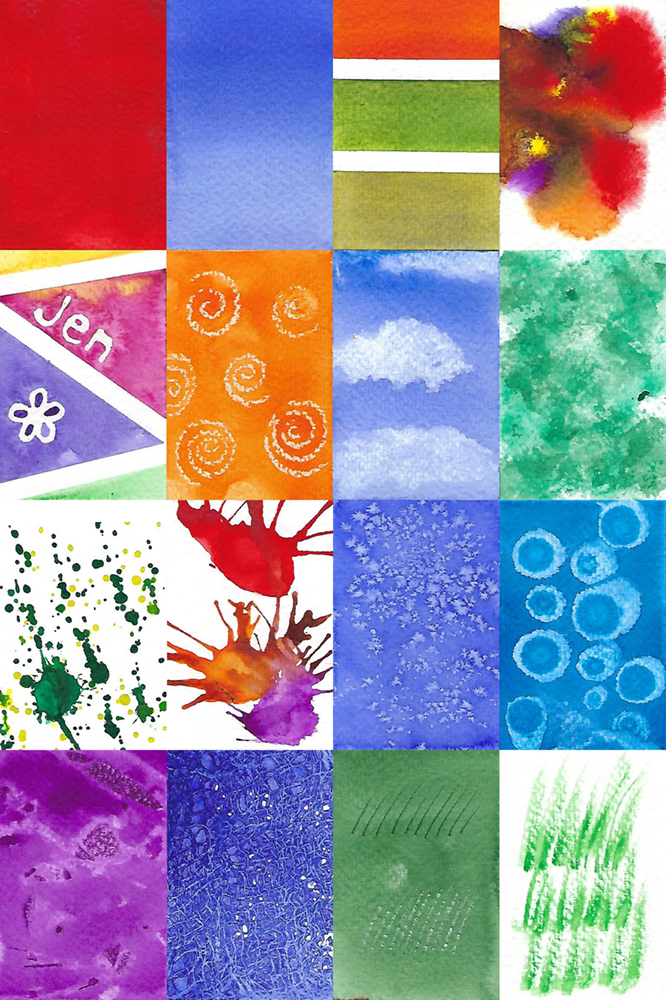
Load your brush with as much paint as it can hold, and then, starting from the top of the paper, apply it in even, horizontal strokes. Reload if necessary and do not let the bottom edges dry until the entire area is painted.
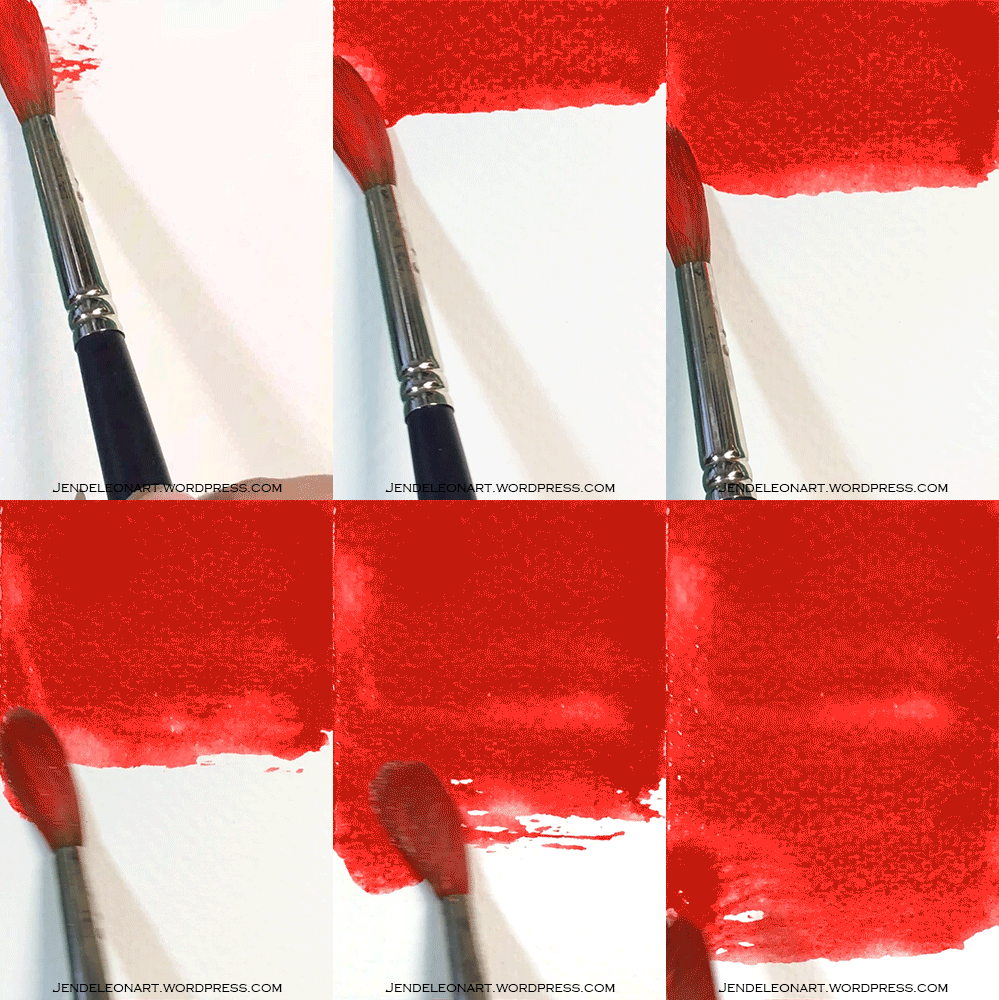
2. Graded Wash
Load your brush with paint, and then make a horizontal stroke along the top of the paper. Add water to your paint, and paint another stroke right below the first one. Repeat this process, adding more and more water until the entire area is painted. This is a great technique to use for rendering the sky.
3. Glazing
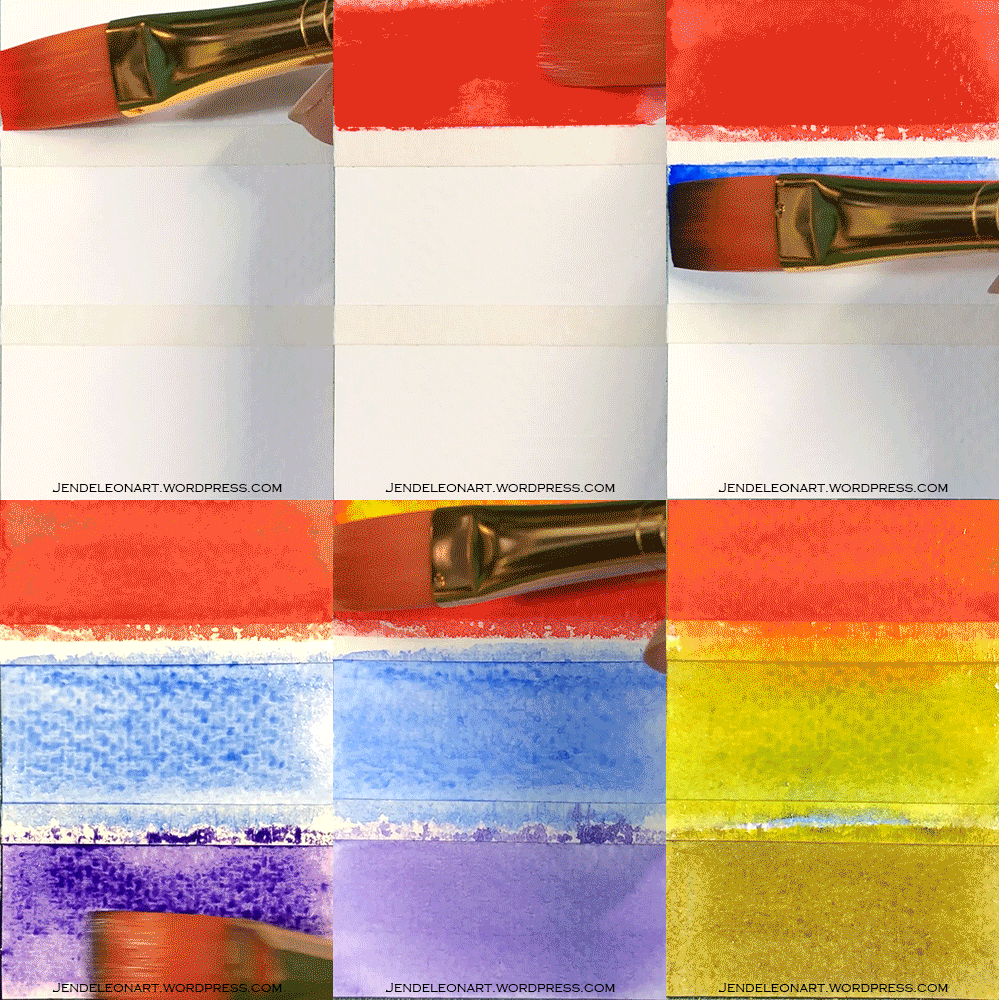
Lay down a wash of color on your paper. Let it dry completely, then add another layer of paint on top of it. Because most watercolors are translucent, you will most likely see the bottom layer through the top layer.
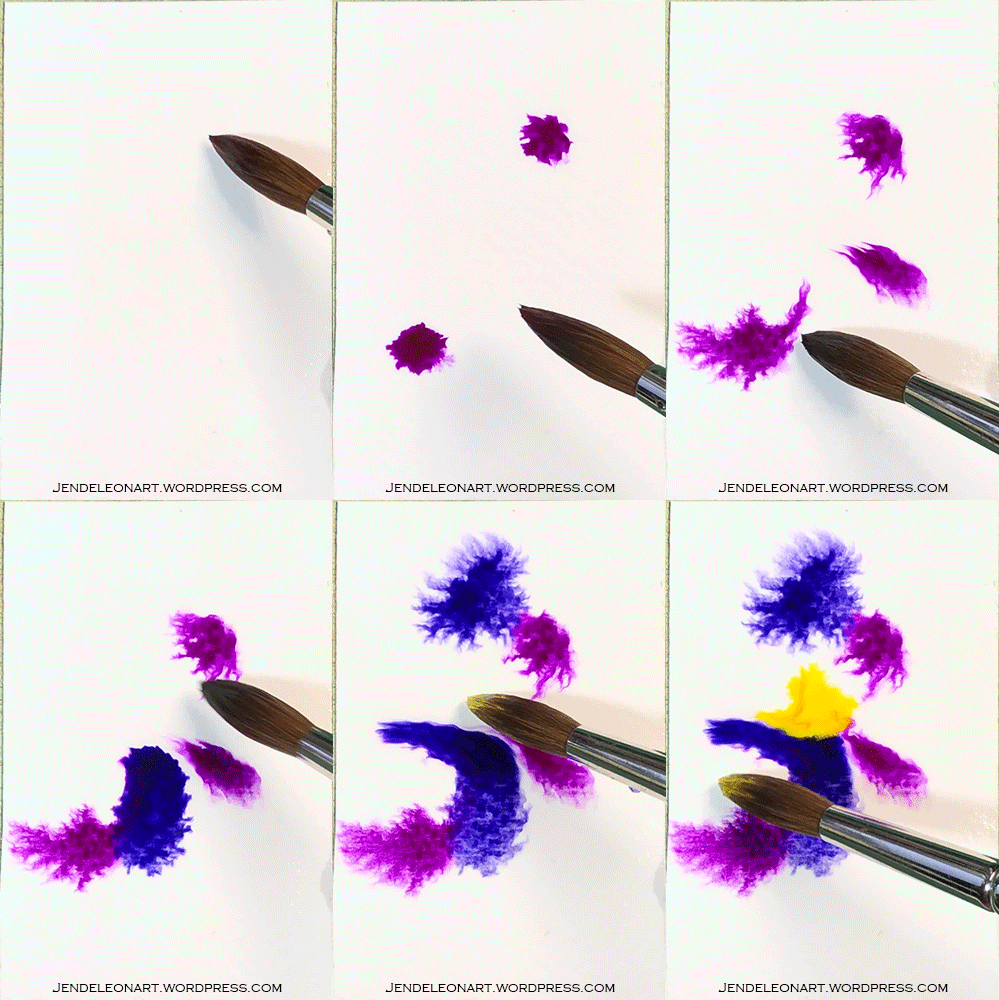
4. Wet on Wet
Wet part of the paper with water, then dip your brush into a puddle of paint and lightly dot it on the wet area. This will cause the pigment to feather out and diffuse. Add in another color and let the colors bleed into one another.
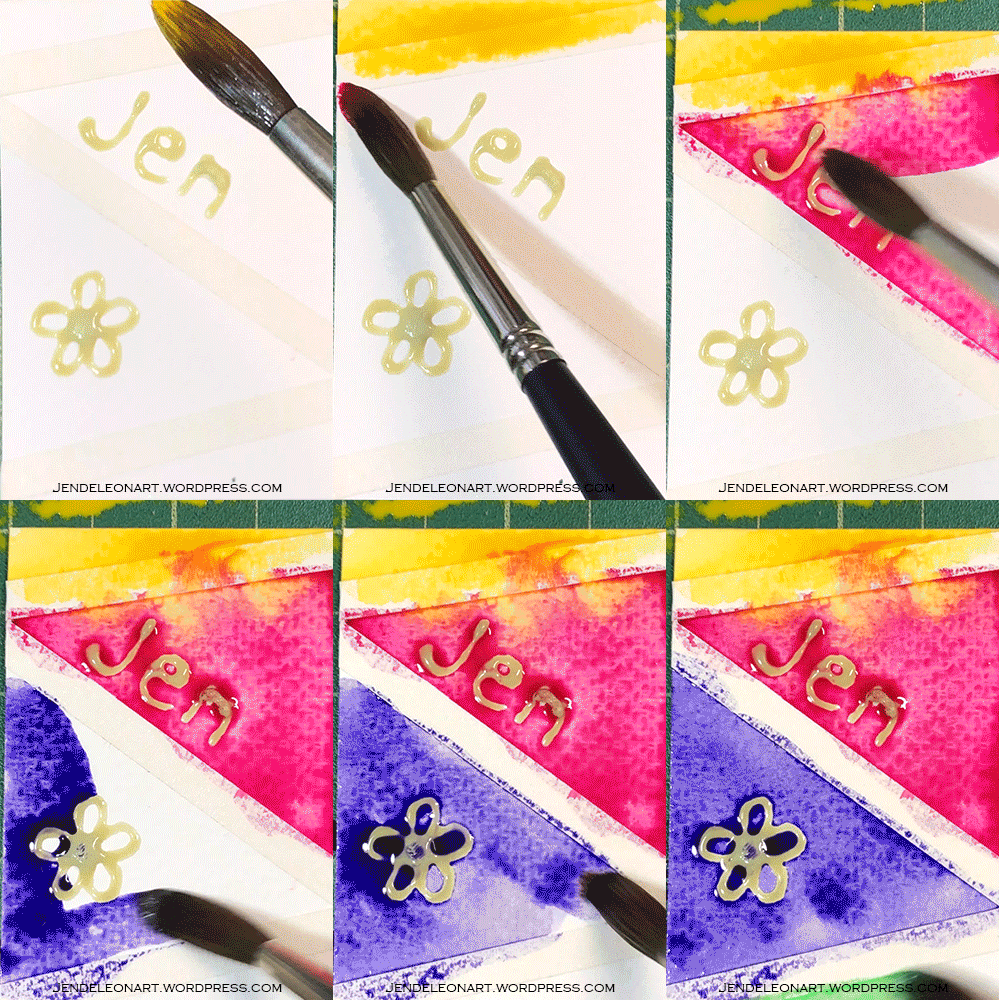
5. Masking
Apply the masking fluid (or tape) to areas you want to preserve. Wait for the masking fluid to dry completely before starting to paint. Once the washes are completely dry, use a soft eraser or your fingers to gently peel the masking fluid off your paper.
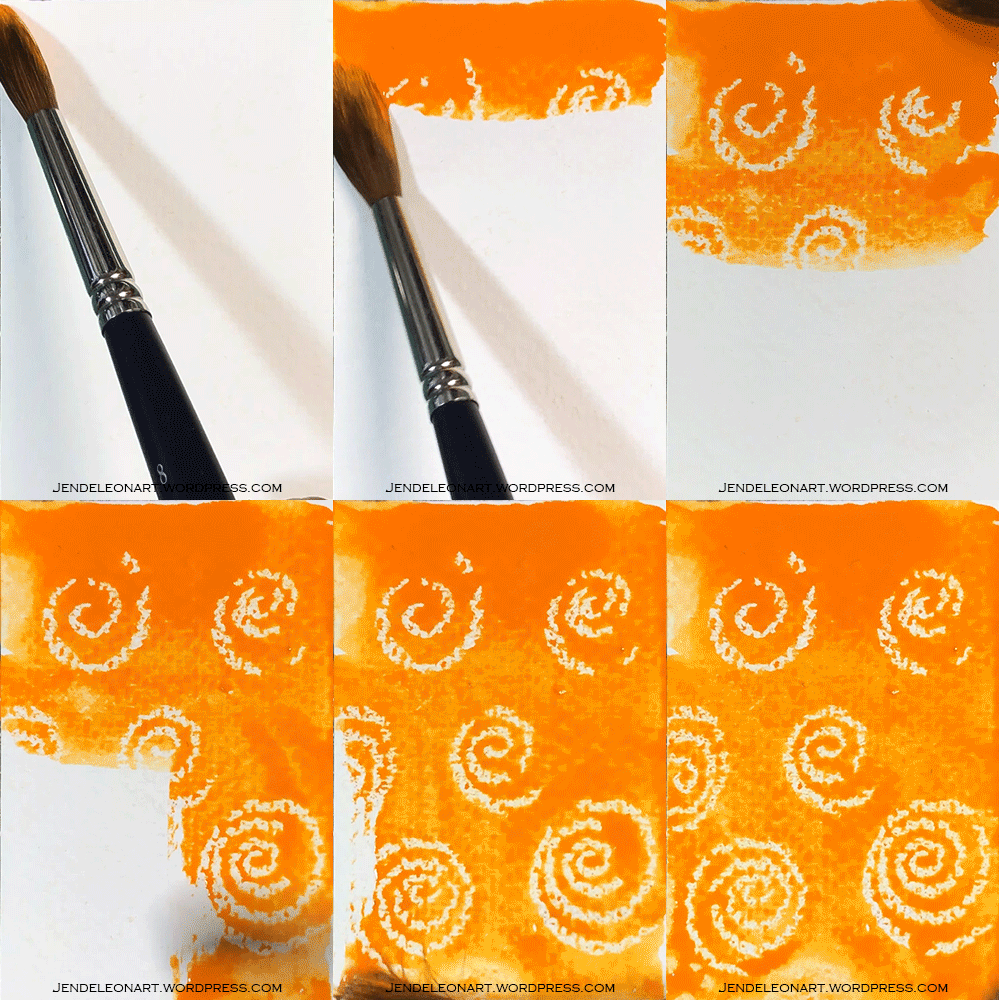
6. Wax Resist
Another trick to preserve the white of your paper is to use wax. Draw on your paper using a white crayon or candle, and then paint over it with a wash of color.
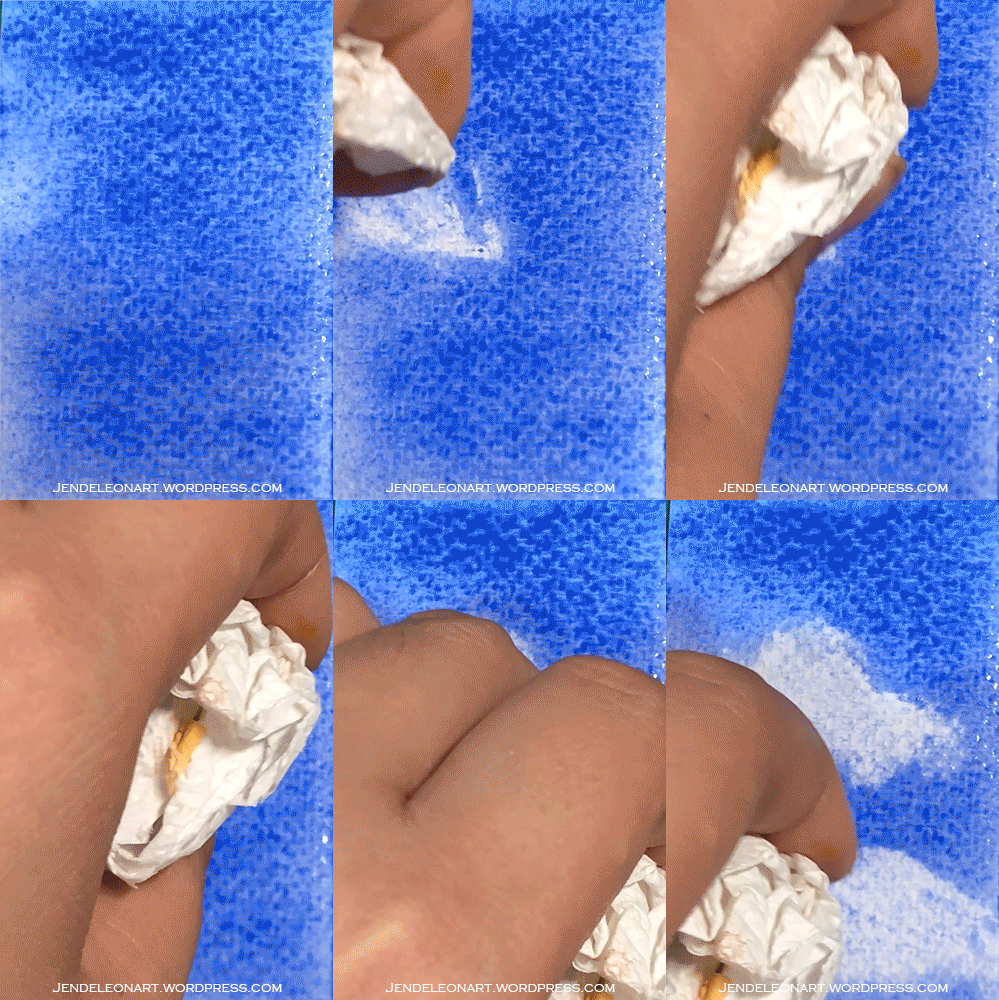
7. Lifting
Dab a paper towel on a wet wash to lift off some pigment. This is a quick and easy technique for creating clouds.
8. Sponging
Take a damp sponge and dip it into a mixture of paint and water. Then lightly dab it onto your paper to create some texture. This is great for painting foliage in trees.
9. Spattering
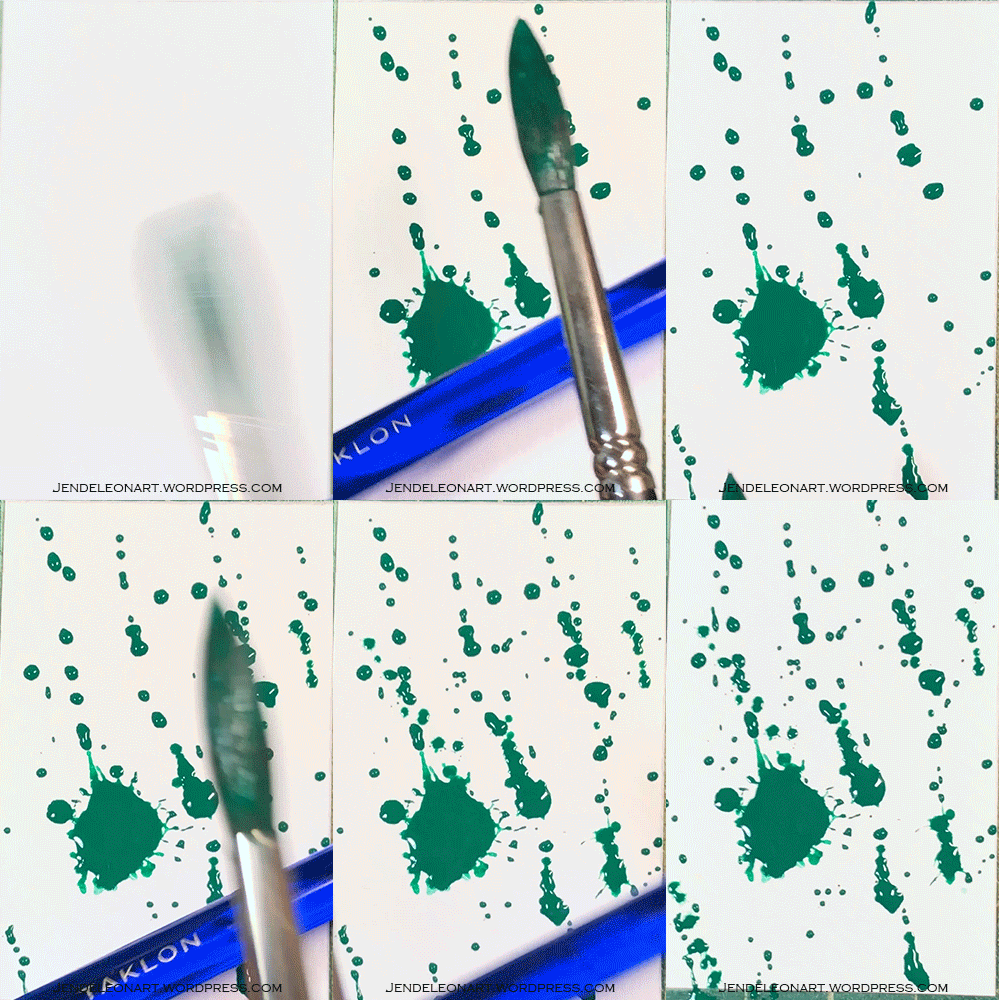
Load your brush with as much paint as it can hold, and then hit the brush against another brush (or a pencil) to make spatters all over your paper.
10. Straw Blowing
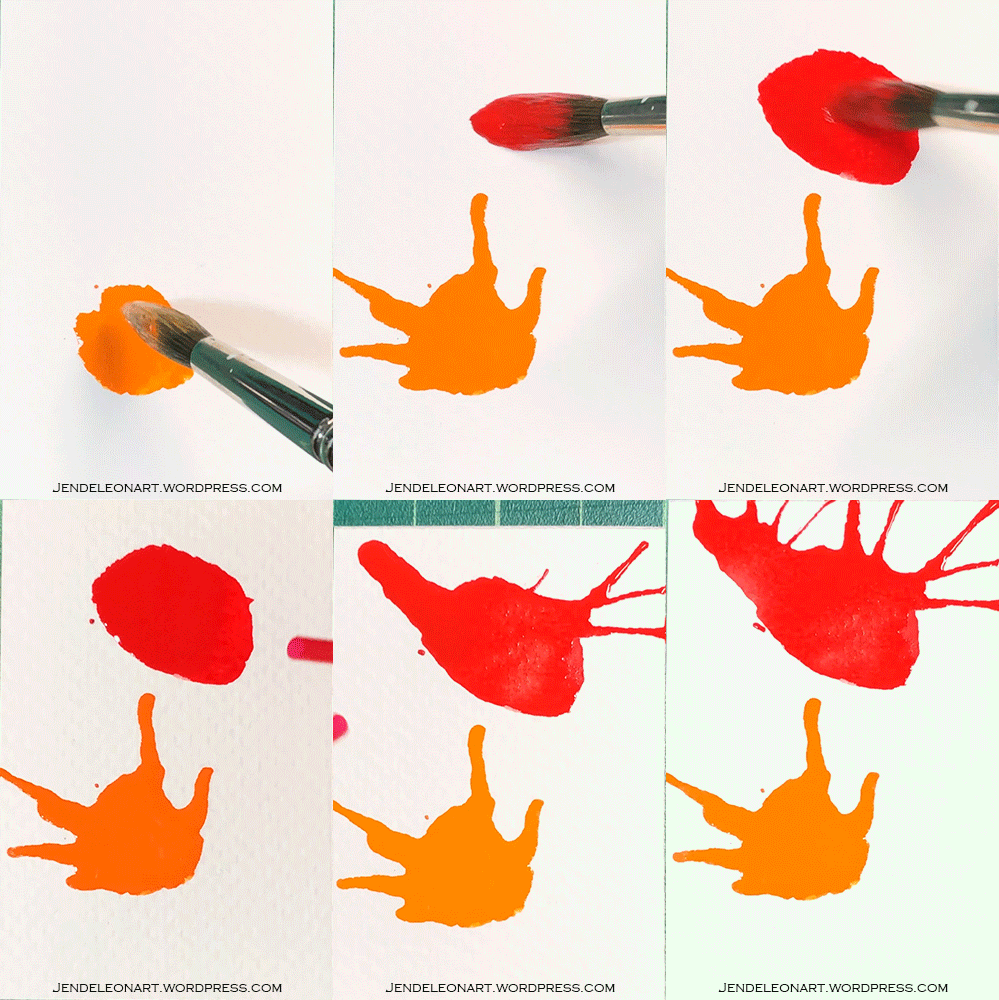
Put a few drops of paint on your paper and blow the paint around using a straw.
11. Salt
Lay down a wash with lots of pigment, and then spread some salt on top of it. The salt will soak up some of the color and create a starry-looking effect. Once the painting is completely dry, scrape the salt from the page.
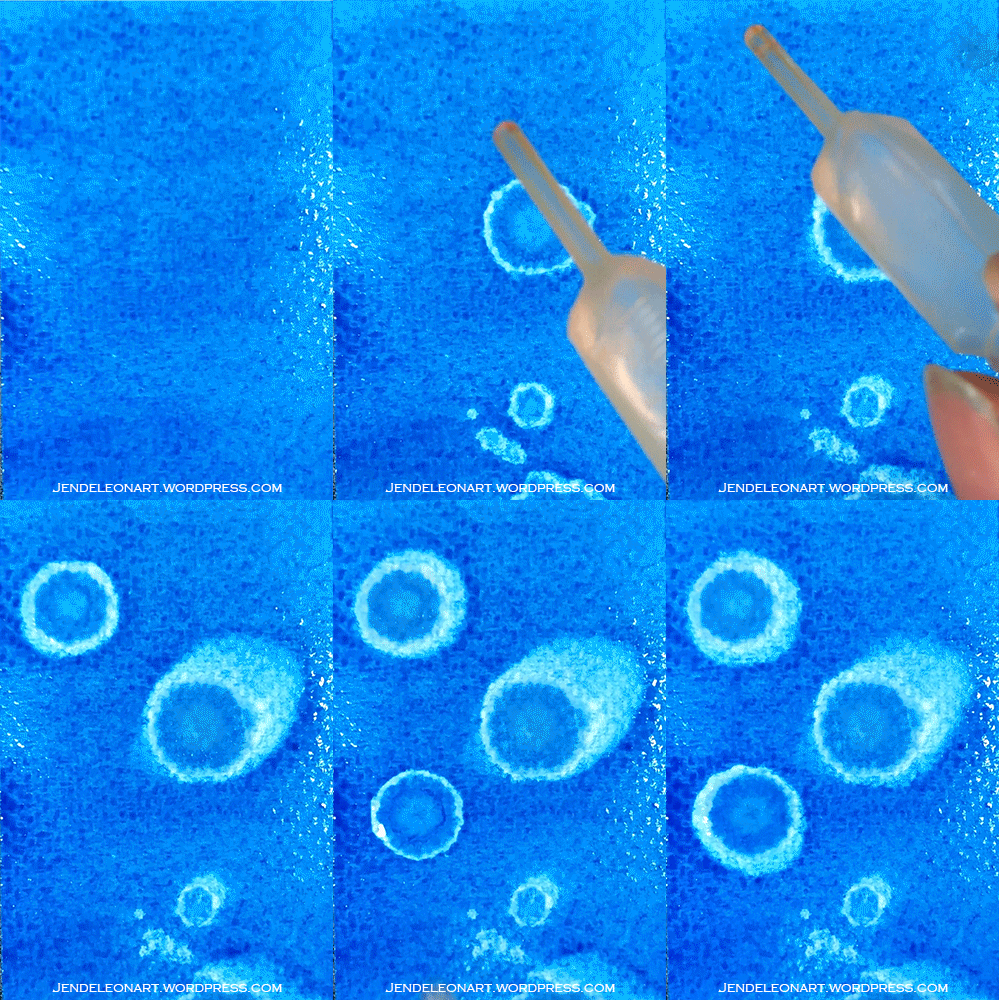
12. Rubbing Alcohol
Lay down a wash with lots of pigment, and then drop or spray some alcohol on the wet area. The alcohol will push the pigment away, creating some pretty cool effects as shown in the image above.
13. Plastic Wrap
Lay down a wash with lots of pigment, and then place a sheet of crinkled plastic wrap on top of the wet area. Let it dry completely. The pigment will pool under the plastic and create an interesting texture.

14. Gauze
Wet your paper with clear water, and then place a single layer of gauze on the wet area. Saturate the gauze with color, and let it dry completely before removing it.
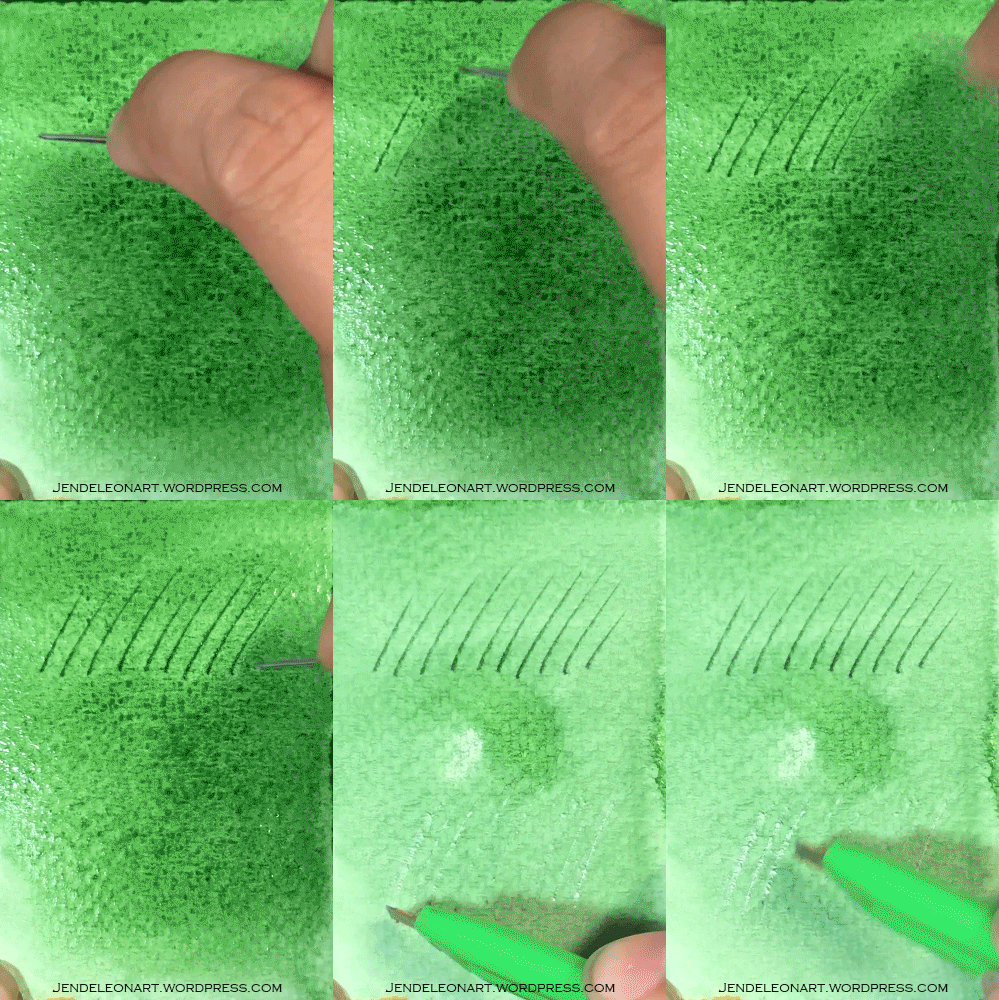
15. Sgraffito
Start by painting a wash. While still wet, take a sharp object (a sewing needle will do) and drag it across the paper. The pigment will fill the scratched surface and appear darker. For lighter marks, wait for the wash to dry before scratching the surface off.
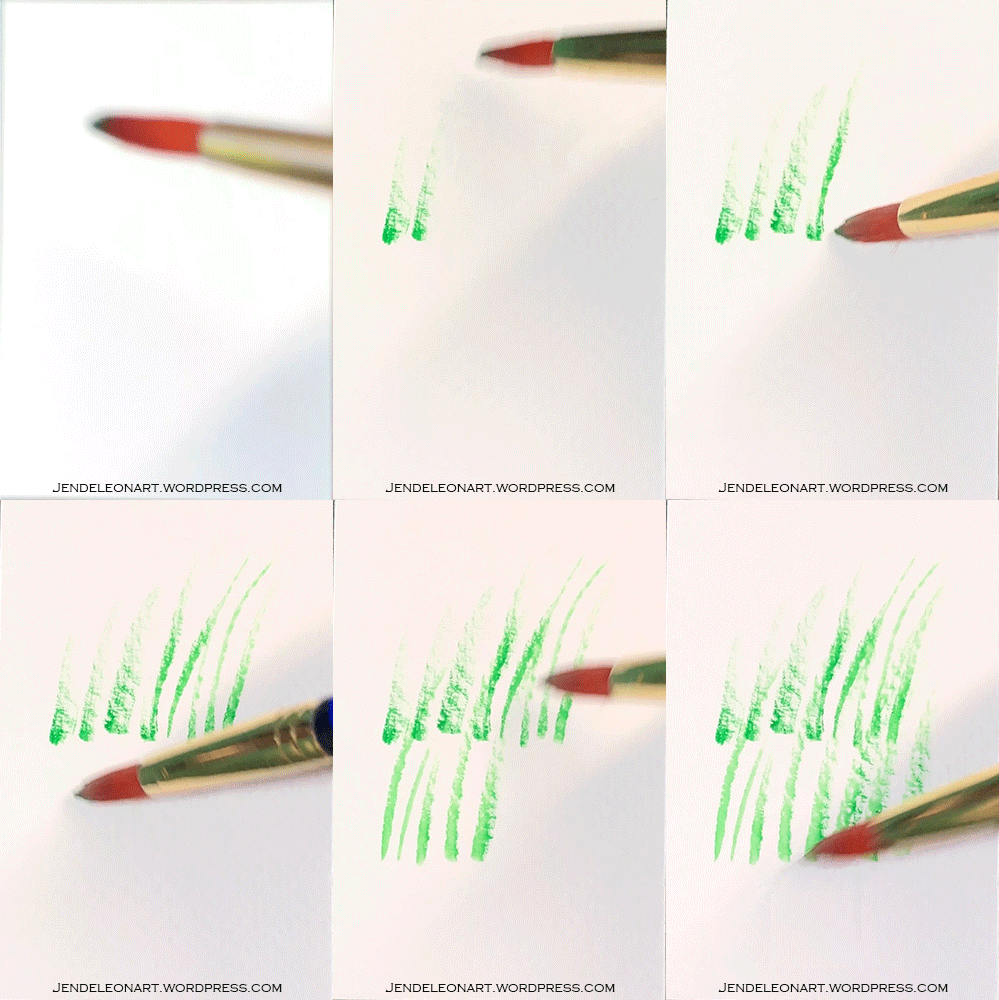
16. Dry Brush
Take a dry brush and dip it into very little paint and water. Dab it onto a paper towel to remove any excess paint. Then brush it lightly across the surface of your paper. The result will be a highly textured brushstroke that’s great for implying grass, fur, or hair.
Here are a few tips for success:
- Use actual watercolor paper.
- Work from light to dark.
- Experiment with water to paint ratio.
- Always mix more paint than you think you’ll need.
- And of course have fun!
For more watercolor techniques, I recommend reading How to Make a Watercolor Paint Itself by Nita Engle, Texture Techniques for Winning Watercolors by Ray Hendershot, and Compendium of Watercolour Techniques by Robin Berry.
 Jen de Leon
Leave a comment